
What makes a car park ‘safe’ - the top 12 features to look out for
When people think about road safety, they often think about the journey – traffic, weather conditions, junctions and other vehicles. But there is another part of every journey that deserves just as much attention – the place you leave your car.
A car park might seem insignificant; you arrive, find a space, park your vehicle and continue with your day. Yet car parks bring together vehicles, pedestrians, lighting, signage, security systems and, in some cases, hundreds of people at once. If these components aren’t properly managed, small problems can quickly evolve into serious safety concerns – putting you and your vehicle at risk.
So what exactly makes a car park safe?
There’s no single feature that automatically qualifies a car park as safe. Instead, safety comes is the result of good design, effective maintenance, appropriate security and clear information working in unison. A well-designed car park should help people feel secure, while also reducing the likelihood of accidents, theft, damage and any other incidents.
In this guide, we explore the key features that can make a car park safer and explain why each one matters.
1. Good lighting
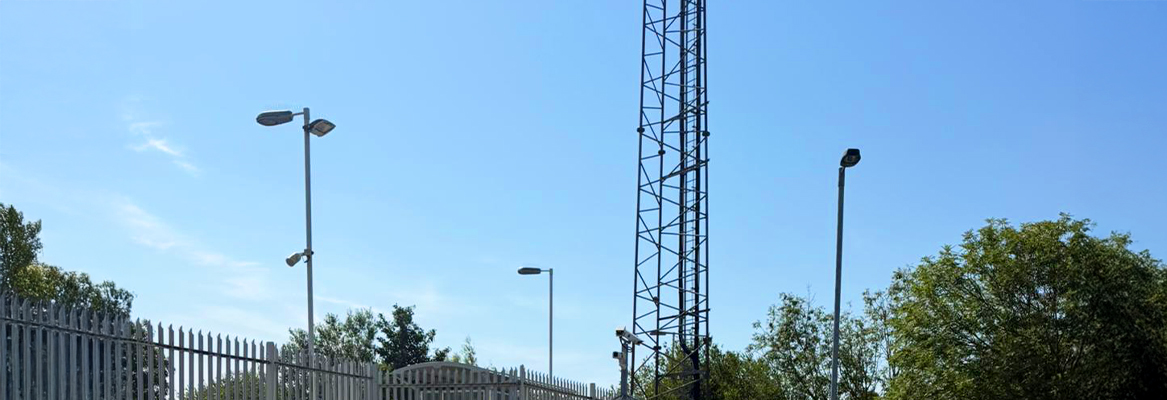
Lighting is one of the most obvious features of a safe car park, but its importance goes far beyond simply helping drivers find their way around.
Poorly lit areas can make it difficult for drivers to see pedestrians, road markings, obstacles and other vehicles. Additionally, it creates opportunities for criminals to operate undetected which can lead to increased crime. For people walking back to their cars, particularly after dark, inadequate lighting can also create a feeling of vulnerability.
A safe car park should have sufficient and well-positioned lighting across the areas people actually use, including parking bays, pedestrian routes, entrances and exits, payment areas, stairways and less visible corners.
Lighting should also be consistent throughout the premises, as brightly lit areas alongside deep shadows can make it harder for people to see clearly.
Good lighting can therefore serve several purposes at once. It improves visibility, helps people navigate the site and can contribute to a greater sense of security.
2. Clear signs & road markings
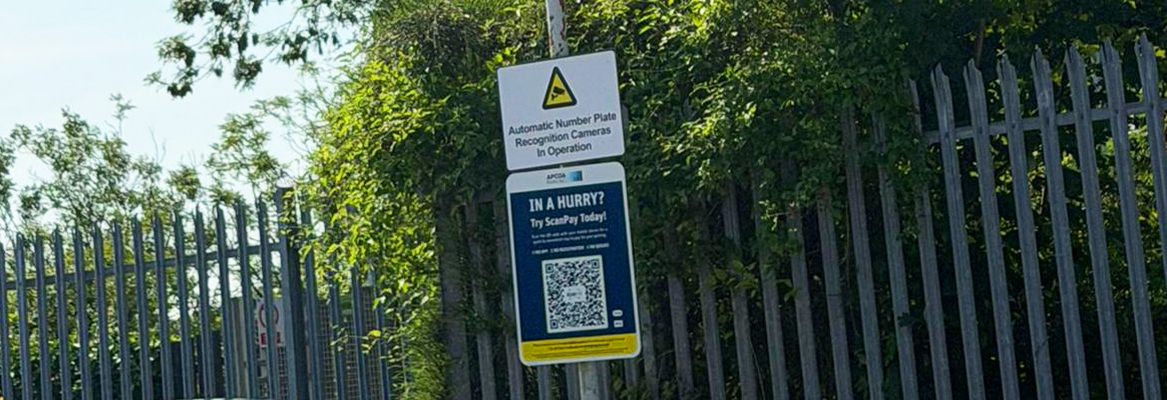
Clear signage and road markings are crucial in creating an organised environment in which drivers, pedestrians and cyclists understand how the space is intended to work.
Signs might indicate:
• Entry and exit points
• One-way systems
• Speed limits
• Disabled parking bays
• Pedestrian crossings
• Pay-and-display or payment areas
• Restrictions on parking
• Height restrictions
• Emergency exits
• CCTV in operation
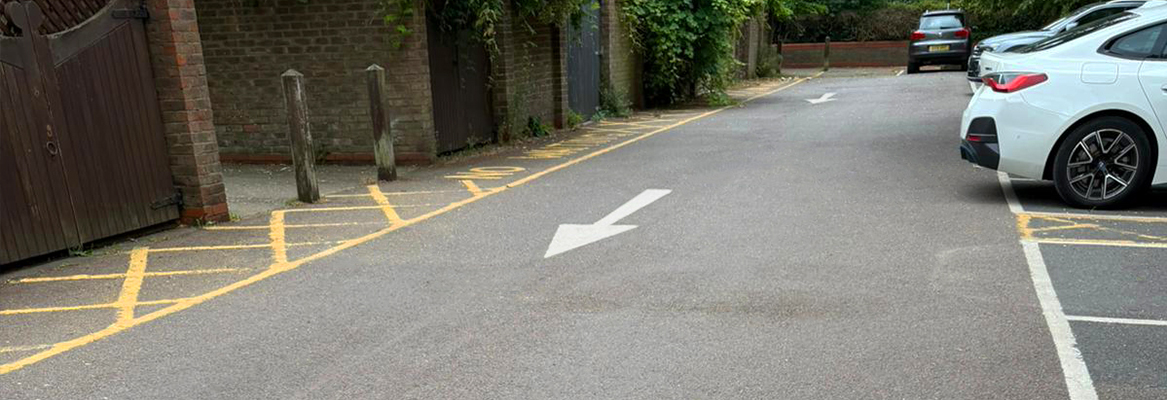
Road markings are equally important. Clearly defined parking bays, arrows, stop lines and pedestrian crossings can help reduce confusion and minimise the potential for collisions.
3. Sensible traffic flow
The layout of a car park significantly influences how safely people can use it.
Poor traffic flow can lead to vehicles meeting head-on or drivers cutting across parking areas, which can create frustration and increase the risk of collisions.
A well-designed safe car park should have a logical traffic system. Drivers should be able to understand where they’re supposed to enter, where they can go and how they leave.
One-way systems can be useful in certain environments, however they need to be clearly marked and designed in a way that makes them intuitive rather than confusing for the motorist.
Speed is another important consideration – car parks are shared spaces, and drivers should generally be travelling at a slow enough speed that allows them to react quickly to people or vehicles appearing in their path.
4. Safe pedestrian routes
Pedestrians are particularly vulnerable in spaces surrounded by cars. Someone walking from their vehicle to their destination may have to cross areas where cars are manoeuvring, reversing or searching for spaces.
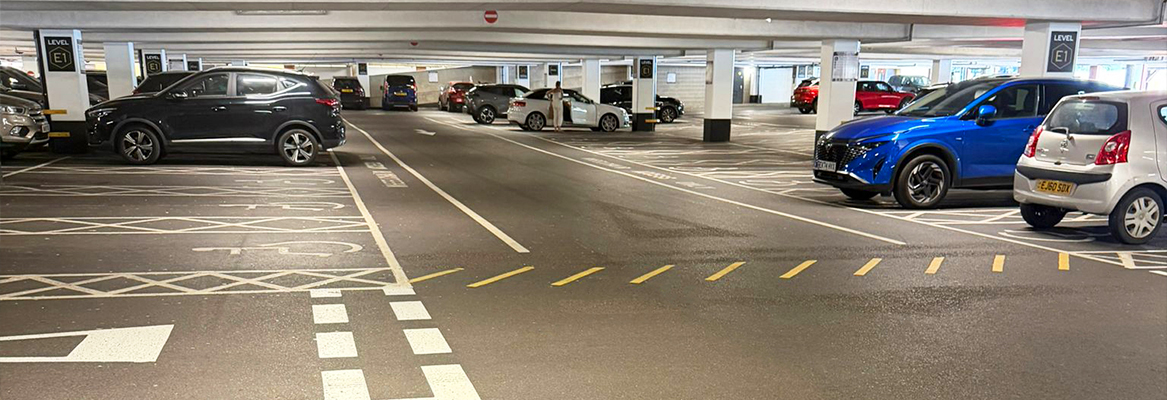
Where possible, pedestrian routes should be clearly separated from vehicle movements. Footpaths, crossings and barriers can help guide people towards safer areas – these should be easy to identify, and drivers should have good visibility when approaching them.
The route should also work for a wide range of users, including parents with children, older individuals, wheelchair users and people carrying shopping or luggage. A genuinely safe car park takes accessibility into account rather than treating it as an afterthought.
5. Visibility & good sightlines
Visibility is another fundamental aspect of parking safety.
Drivers need to be able to see other vehicles and pedestrians, particularly when leaving parking spaces or approaching junctions. Similarly, pedestrians need to be able to see approaching vehicles.
The design of the car park can have a significant impact here – tall structures, poorly positioned signs, overgrown vegetation, and other obstructions can all reduce visibility.
Corners and junctions deserve particular attention. When drivers cannot see what is around a corner, they have less time to react.
Keeping the environment open, well maintained and appropriately designed can therefore reduce the potential for any incidents in a car park.
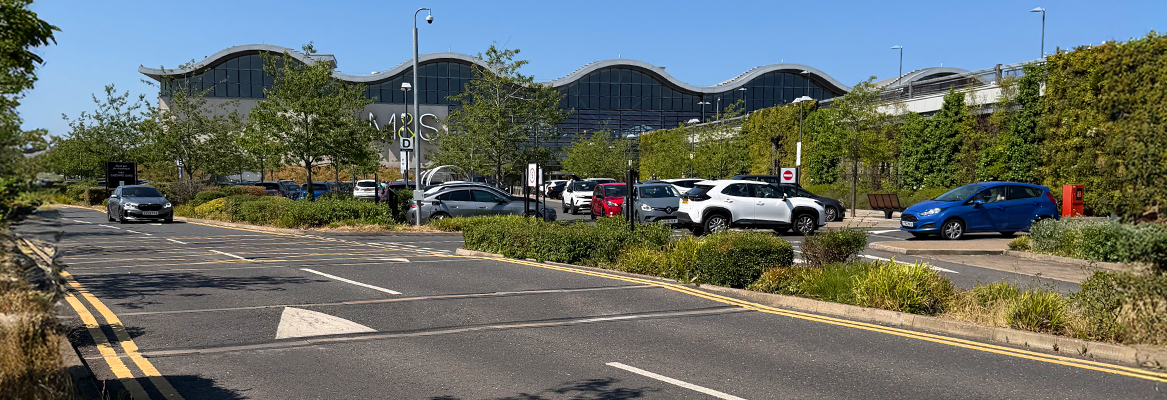
Marks & Spencer Multi-Storey Car Park, Cheshire Oaks
6. Effective security measures
Safety and security are closely connected, although they’re not exactly the same thing.
A car park can be well lit and easy to navigate, but still leave users concerned about theft, vandalism or personal safety – security measures help address these concerns.
Security measures might include CCTV, barriers, security patrols, help points, automatic number plate recognition and staff presence.
CCTV can be particularly useful because it acts as a deterrent and provides information if an incident occurs. However, cameras are most effective when they form part of a wider security strategy, rather than being treated as a solution on their own.
The presence of CCTV may provide reassurance, but users also benefit from knowing what to do if they encounter a problem, which can be communicated via signage.

7. Well-maintained surfaces
A car park doesn’t have to look brand new to be safe. However, it does need to be maintained properly.
Potholes, broken paving, damaged kerbs and uneven surfaces can create hazards for both vehicles and pedestrians. For someone walking through a car park, even a small defect can become a trip hazard.
Drainage is another consideration – standing water can obscure potholes, create slippery surfaces and make road markings more difficult to see.
Regular inspections of a car park can help identify maintenance problems before they become significant. Any repairs should be carried out promptly, particularly where damage affects pedestrian routes, vehicle lanes or accessibility.
Good maintenance also conveys an important message, as a car park that is visibly cared for can instil greater confidence within its users.
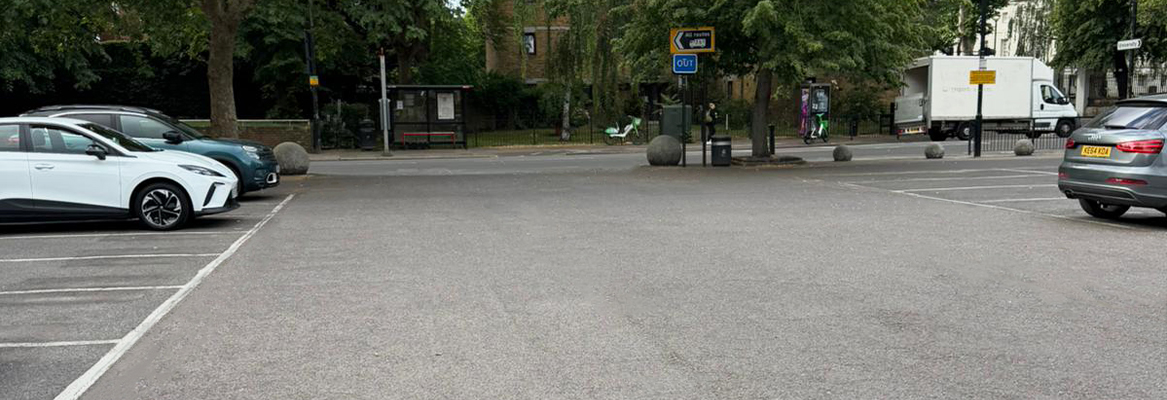
8. Accessible parking & facilities
Accessibility is an essential part of creating a safe car park.
Designated accessible parking spaces should be appropriately positioned, clearly marked and wide enough to allow people to enter and leave their vehicles safely.
However, accessibility involves more than simply providing a certain number of spaces.
The route from the parking area to the destination should also be considered. Pedestrian paths need to be usable, crossings should be accessible and unnecessary obstacles should be removed.
If a car park presents significant difficulties for disabled users, it cannot really be described as fully safe or inclusive.
You can find all Safer Parking Accessible accredited car parks here.

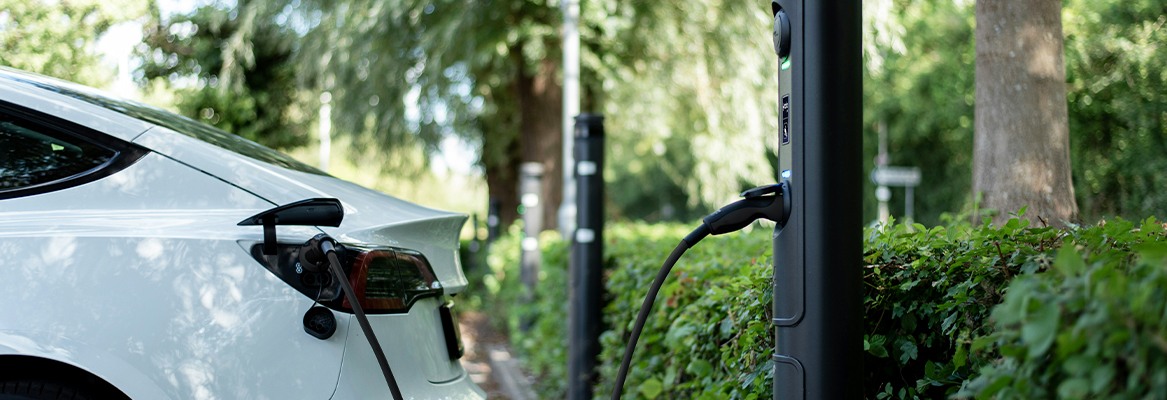
9. Electric vehicle charging areas
As electric vehicles become more common, charging facilities are increasingly required in the modern car park.
Charging points need to be positioned and managed carefully. Cables should not create unnecessary trip hazards, and charging bays should be clearly marked so that drivers understand their purpose.
The charging area should also be accessible without creating any conflicts between vehicles and pedestrians.
10. Emergency arrangements
A safe car park should also have a plan for when something goes wrong.
Emergencies could include a vehicle collision, fire, medical incident, suspicious activity or another event requiring assistance.
Users should be able to find emergency exits and understand how to raise an alarm or request assistance.
Emergency access is important too; fire engines, ambulances and other emergency vehicles need to be able to reach the site and, where necessary, particular areas within it.
Good emergency planning may not be noticeable during an ordinary visit, but it becomes extremely important when an incident occurs!

11. Cleanliness & general upkeep
Cleanliness might not necessarily seem like a safety issue, but it can influence how people use and perceive a car park.
Litter, overflowing bins and abandoned objects can create physical hazards. They can also make a location feel neglected, which may affect people's perception of its overall security.
Regular cleaning and maintenance help ensure that walkways remain clear and that signs, lighting and other facilities are fully functional.
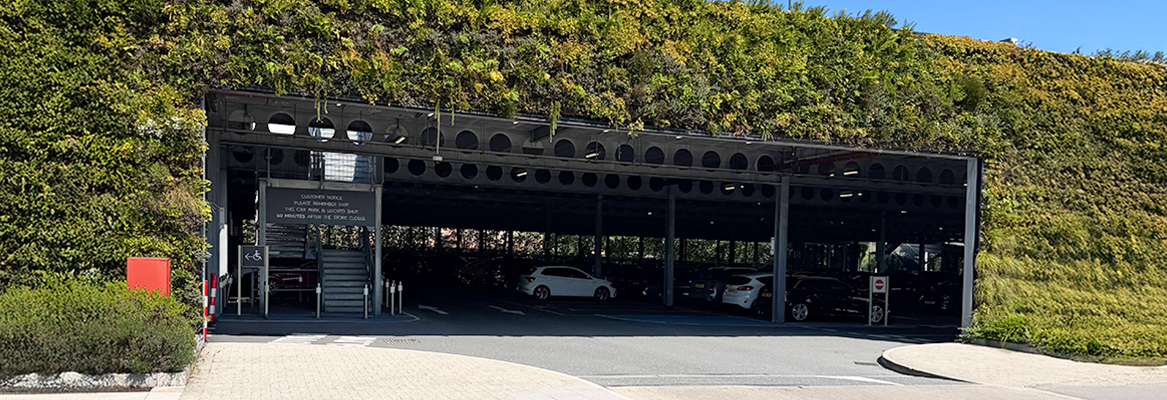
Marks & Spencer Multi-Storey Car Park, Cheshire Oaks
12. Responsible behaviour matters too
Even a well-designed car park cannot eliminate every risk.
The motorist using the car park also needs to act with caution to avoid any safety-related incidents. By paying attention, following signs, observing speed limits and looking carefully for pedestrians, they can help to minimise risks. Motorists should also take particular care when reversing, and avoid distractions such as using a phone while driving.
Pedestrians have a role to play, too. Staying alert around moving vehicles, using designated crossings and avoiding unnecessary distractions can all reduce risk.
Ultimately, parking safety is a shared responsibility. The environment should make safe behaviour easier, but users need to play their part as well.

How can you tell if a car park is safe?
There are several practical things you can look for when deciding whether a location feels safe and well managed.
Ask yourself:
• Is the car park well lit?
• Are the entrances and exits easy to identify?
• Are speed limits and traffic directions clearly displayed?
• Are pedestrian routes clearly marked?
• Can you see approaching vehicles at junctions and crossings?
• Are the parking bays and road surfaces in good condition?
• Does the site appear clean and well maintained?
• Are security measures such as CCTV or help points clearly identified?
• Is there a sensible flow of traffic?
• Would you feel comfortable walking back to your car after dark?
• Does the car park have Safer Parking accreditation?
Safer Parking is the UK-wide police standard for car parks that have low crime and measures in place, thus ensuring the safety and security of people as well as their vehicles. This is only awarded to parking facilities that have met the requirements of a risk assessment conducted by the Police – giving you confidence that you, and your vehicle, will be as safe as possible.
You can learn more about gaining Safer Parking accreditation for your parking facility by contacting the team.
Conclusion
Ultimately, a safe car park isn’t defined by one piece of equipment, one sign or one security measure, but is the result of many elements working together.
For drivers, choosing a well-managed and appropriately designed car park can provide greater peace of mind. For operators, continually reviewing the design, maintenance, security and usability of their facilities is one of the most effective ways to create a safer experience for everyone who uses them.
Reach out to the team today to start your Safer Parking accreditation journey.