
Understanding car park signs: a simple guide for drivers
Car park signs might seem straightforward, but knowing exactly what they mean can sometimes be confusing.
From time limits and payment instructions to permit restrictions, understanding the signs around a car park can help you avoid unnecessary stress and enjoy a smoother journey.
Whether you're popping to the shops, commuting to work or visiting somewhere new, use our simple guide to review some of the most common car park signs and what drivers need to know.
Why are car park signs important?
Car park signs do more than tell you where to park – they help drivers understand the rules of a site, find their way around and know what’s expected of them during their visit.
Clear signage also helps keep traffic moving, supports pedestrian safety and makes parking easier for everyone. Taking a few moments to read the signs when you arrive can help you avoid confusion later.
1. Parking restrictions & time limits
One of the first things to look for when entering a car park is whether any restrictions apply to your stay.
Signs may indicate:
- Maximum stay: How long you're permitted to park, such as two or three hours
- No return periods: Whether you can return to the same car park within a specified period after leaving
- Restricted parking hours: Times when parking is permitted or prohibited
- Permit holders only: Spaces or areas reserved for authorised vehicles
These restrictions can vary between locations, so don't assume the rules are the same wherever you park. Always check the signs for the specific car park you're using and make sure you understand any conditions that apply.
2. Payment signs – when & how to pay
Parking payment systems differ from one car park to another, and the signs should explain which method you need to use.
You might encounter the following different options:
- Pay-and-display: Purchase a ticket and display it as instructed
- Pay on exit: Pay for your stay before leaving, often at a payment machine or exit barrier
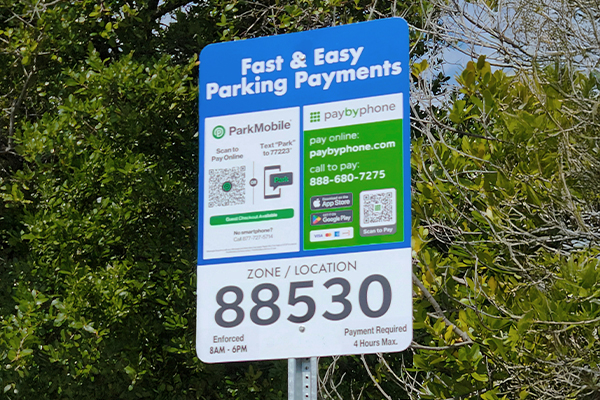
- Pay by phone or app: Use an approved payment service to pay for your parking
- Free parking with conditions: Parking may be free for a limited period, or subject to requirements such as registering your vehicle
Some car parks use automatic number plate recognition (ANPR) technology, which records vehicle registration details on entry and exit. In these locations, you may need to enter your registration number at a payment machine or follow another specified payment process.
Top tip: Check the payment instructions before leaving your vehicle, particularly if you're visiting an unfamiliar car park. If you're unsure how the system works, look for further instructions on the signs or payment machines.
3. Disabled parking & accessible bays
Accessible parking spaces are designed to make parking easier for people who need additional space or a more convenient route to their destination.
In the UK, you may see designated Blue Badge parking bays, which are often marked with a wheelchair symbol and painted bay markings. However, the exact rules for using these spaces can depend on the location and the applicable parking arrangements.
Some car parks also provide wider spaces, parent-and-child bays or other designated parking areas to support different customer needs.
Always check the signs to understand who can use a particular space and whether any additional conditions apply. Keeping designated bays clear for those who need them helps make car parks more accessible and convenient for everyone.
4. Directional signs & one-way systems
Larger car parks, particularly multi-storey facilities, can have a network of lanes, ramps and parking areas. Directional signs help drivers navigate these spaces safely and efficiently.
Look out for signs indicating:
- Entry and exit routes
- One-way traffic systems
- Available parking areas or floors
- Height restrictions
- Pedestrian walkways and designated crossing points
Following the marked routes helps reduce confusion and makes it easier for drivers and pedestrians to share the space safely.
If you miss a turning or drive past your intended parking area, avoid making sudden manoeuvres – just continue along the designated route and follow the signs to find a safe way back.

5. Height restrictions & vehicle limitations
Not every car park is suitable for every vehicle. Multi-storey and underground car parks often have height restrictions, while some locations may have restrictions relating to vehicle size or type.
Height restriction signs are particularly important if you're driving a van, a vehicle with a roof box or a car carrying equipment on a roof rack.
Check the stated clearance before entering. If your vehicle exceeds the permitted height, don't attempt to enter, even if the entrance appears to have sufficient space.
Taking a moment to check these signs can help prevent vehicle damage and avoid disrupting other road users.
6. Pedestrian safety signs & markings
Car parks are shared spaces where vehicles and pedestrians regularly cross paths. Signs and road markings help people move around the site more safely.
You may see:
- Marked pedestrian crossings
- Footpaths or designated walking routes
- Speed limit signs
- Warning signs near bends, ramps or busy areas
- Instructions to give way to pedestrians
Drivers should remain alert, travel at an appropriate speed and watch for people walking between parked vehicles. Pedestrians should use designated routes and crossings where provided, while remaining aware of moving traffic.
Remember that visibility can be limited by parked vehicles, particularly when reversing out of a space.

7. Terms & conditions signs
Some of the most important information in a car park can be found on signs setting out the terms and conditions of parking.
These may explain:
- Whether parking is free or chargeable
- The applicable tariffs and maximum stay
- Payment deadlines and accepted payment methods
- Restrictions on particular spaces or areas
- What happens if the parking conditions are not followed
In privately operated car parks, these signs may also explain how parking charges are applied and how to contact the operator if you have a query.
Take time to read the relevant signs when you arrive, especially if you haven't used the car park before. If you receive a parking charge and believe it has been issued incorrectly, check the instructions provided for challenging it.
8. What should you do if a sign is unclear?
Occasionally, you may arrive at a car park and find that a sign is difficult to read, the instructions appear inconsistent or you're unsure what action to take.
Rather than guessing, consider the following steps:
- Read the available information carefully – check the entrance signs, nearby signs and any instructions displayed on payment machines
- Check the payment or parking method – if an app or website is specified, make sure you're using the correct service and location
- Look for additional instructions – some conditions may be displayed near individual bays, payment machines or pedestrian entrances
- Contact the relevant operator if necessary – if you're still unsure, use the contact details provided on the signage to ask for clarification
Taking a little extra time at the beginning of your visit can help you avoid problems and park with greater confidence.
Make every parking journey easier
Understanding car park signs doesn't have to be complicated. By checking restrictions, following directional signs and taking note of payment instructions, you can make more informed decisions which reduce the likelihood of unexpected issues.
Take a moment to read the signs before you park and leave your vehicle – a little preparation can make a big difference to your overall parking experience.
At Safer Parking, we recognise the importance of clear information and well-managed parking environments in helping people feel more confident throughout their journeys. You can find your nearest Safer Parking accredited facility here – all sites have passed a comprehensive risk assessment conducted by the police, giving you the confidence that they’re safe, secure and well maintained.