
Accessible EV Europe road trip - the route to accessible EVs
The First Documented Accessibility Testing of the EV Charging Networks Across England & Europe.
In May 2026, a disabled driver will take on a 2,800-mile return journey from Birmingham to Spain in a fully electric vehicle, putting the accessible charging network to the test in a way never done before.
Organised by Disabled Motoring UK (and supported by Accessible Vehicle Club), the project will document the real-life challenges of travelling abroad in an electric vehicle (EV) as a disabled person. At a time when electric vehicles are rapidly becoming the norm, accessibility is still lagging severely behind. In the UK, just 2.3% of on-street charge points are currently considered accessible, while consistent standards across Europe are only just beginning to be developed.
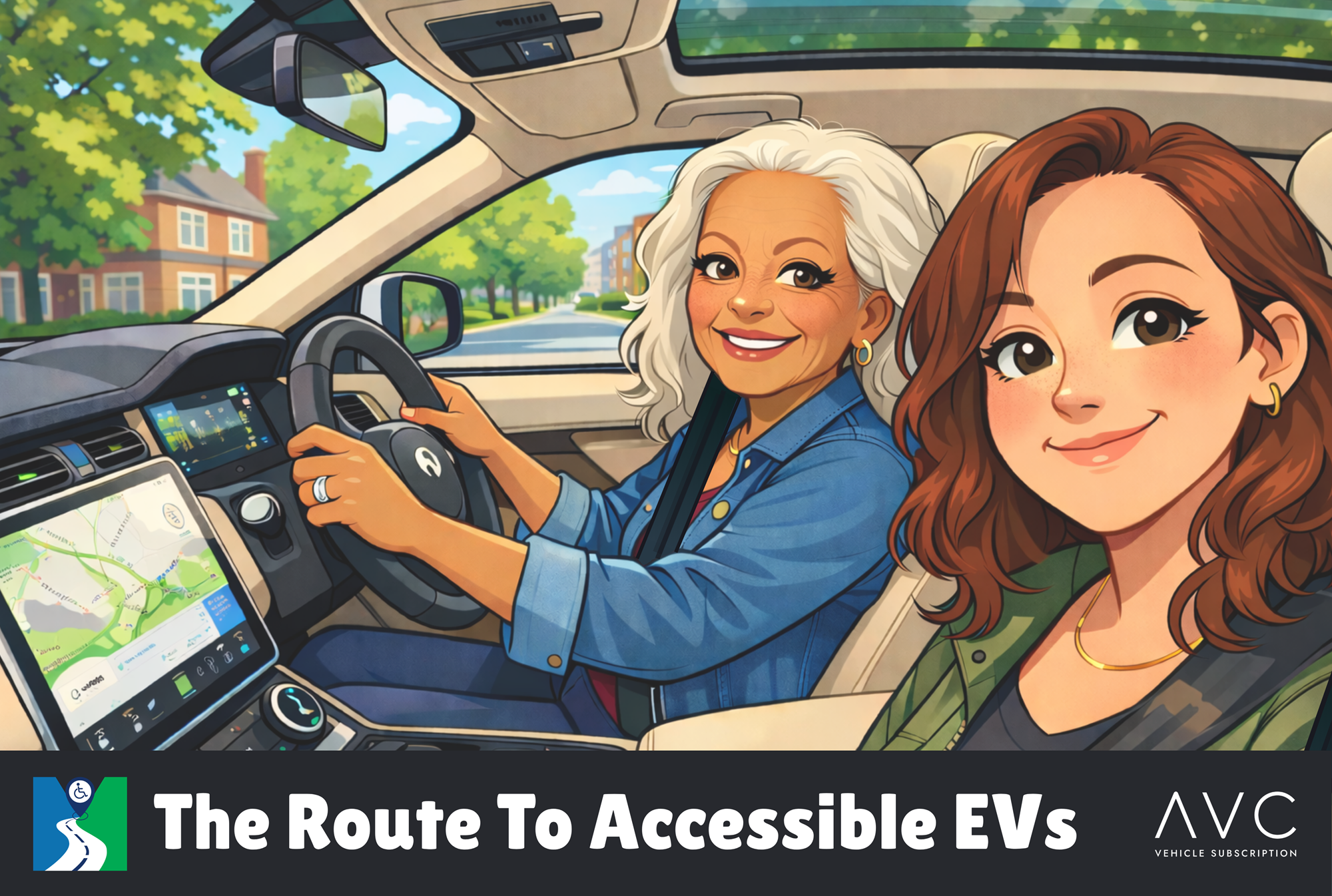
Leading the journey is Anjna Patel, 68, DMUK member and trustee, who has lived with severe rheumatoid arthritis for over two decades. Despite growing pressure to switch to electric vehicles, Anjna has so far not switched to an EV due to accessibility concerns and range anxiety. This journey will put those concerns to the test.
Travelling with Anjna is DMUK colleague Zoe Rush, providing media coverage and general support. Throughout the journey, Anjna will be auditing and cataloguing the barriers and challenges faced when locating and using the EV charging infrastructure, alongside the added complexities of travelling with mobility issues. The return journey to Alicante, Spain is expected to take six driving days and will require approximately 24 charging stops round-trip.
The additional risks and concerns often faced by women, older people, and disabled people contribute to fears around transitioning to electric vehicles. Many disabled people, raise concerns relating to inaccessible bays, heavy charging cables and range anxiety. 75% of disabled people who have used EVs, find charge points accessibility is very bad or bad (2023 Euan’s Guide Access Survey). Driving a VW ID.4, Anjna will conduct accessibility audits at each stop, using a framework from the ‘Safer Parking Accessible EV accreditation,’ which follows PAS 1899 standards. She will also record any accessibility issues encountered along the route.
Disabled Motoring UK hopes the project will highlight the urgent need for inclusive EV infrastructure, while also improving understanding and confidence among disabled drivers ahead of the Zero Emission Vehicle mandate.
Disabled Motoring UK CEO, Graham Footer said - “The transition to electric vehicles is accelerating, and it is vital that accessibility is not treated as an afterthought. For many disabled people, the current charging infrastructure presents significant barriers. By undertaking this ambitious journey, we aim to shine a light on those real-world challenges and push for meaningful, inclusive change across the EV network in the UK and Europe.”